
z-z1603487247937.jpg)

สรุปแล้ว 'ทหาร' พูดไม่หมด จริงหรือไม่?
สรุปแล้ว 'ทหาร' พูดไม่หมด จริงหรือไม่?
คืนวันที่ 28 ก.ค. 'ทหารไทย' ประกาศกร้าว "พิชิต-ควบคุม" 11 พื้นที่ได้แก่ ภูมะเขือ, ช่องอานม้า, ปราสาทตาเมือนธม, ปราสาทตาควาย, ช่องบก, ปราสาทโดนตวล, สัตตะโสม, ช่องจอม, ช่องสายตะกู, พระวิหาร และพลาญยาว
จากเหตุปะทะชายแดนไทย-กัมพูชา ตั่งแต่ วันที่ 24 ก.ค. - 28 ก.ค.หลังจากเกิดเหตุปะทะ "อันวาร์ อิบราฮิม" นายกรัฐมนตรีมาเลเซีย ได้เชิญ "ฮุน มาเนต" นายกรัฐมนตรีของกัมพูชา และ "ภูมิธรรม เวชยชัย" รองนายกรัฐมนตรีและรัฐมนตรีว่าการกระทรวงมหาดไทย ในฐานะรักษาราชการแทนนายกรัฐมนตรี ได้ทำข้อตกลงหยุดยิงไม่ให้เกิดสงคราม
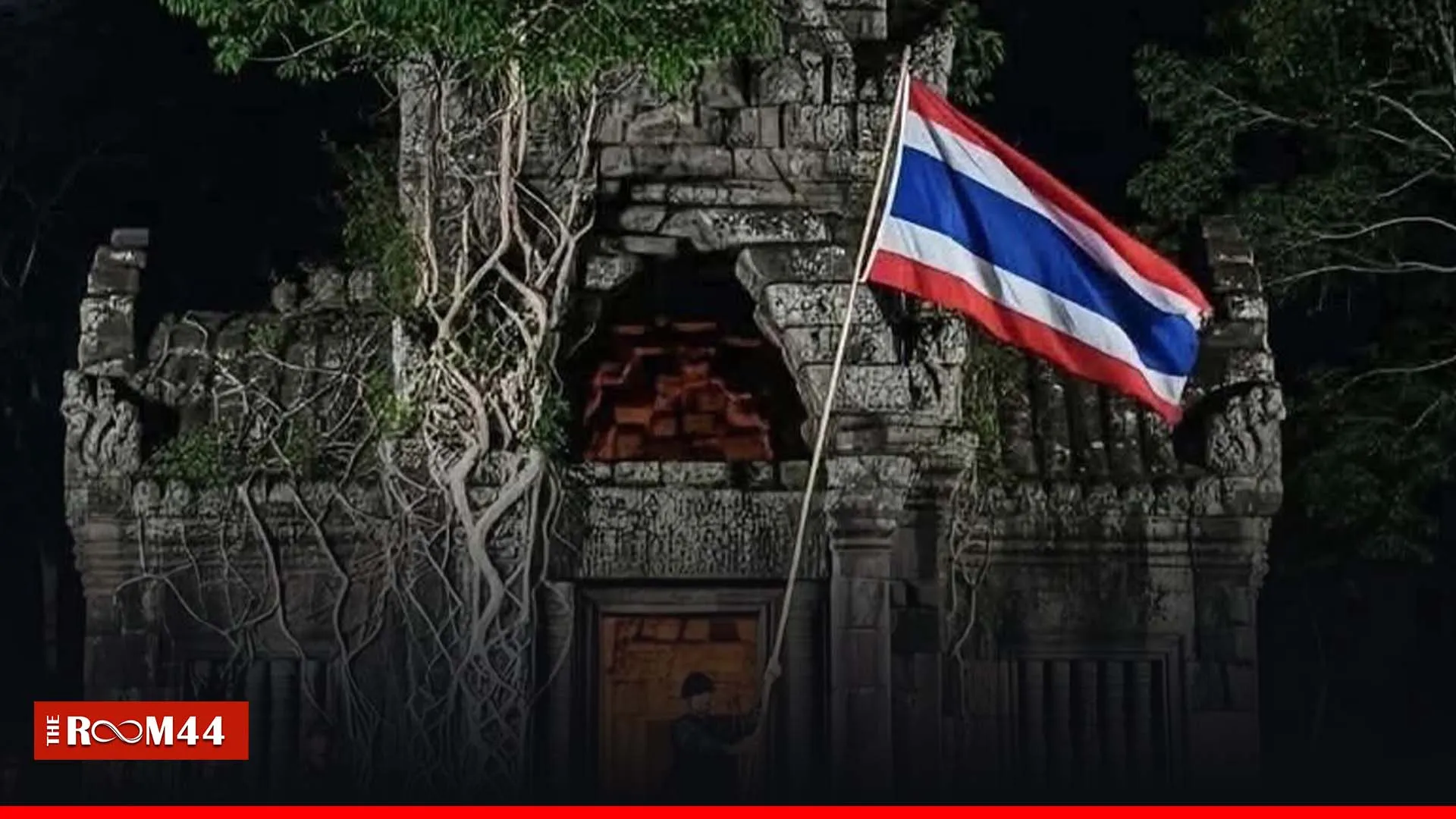
หลังจากเสร็จสิ้นภารกิจช่วยชาติที่บริเวณชายแดนไทย-กัมพูชา ของทหารไทย -ทหารกัมพูชา กลับเกิดเรื่องดราม่าขึ้นเมื่อ "ปราสาทตาควาย" ที่คืนวันที่ 28 ก.ค. เวลา 0.00 น. คือเวลาสิ้นสุดของการทำข้อตกลงหยุดยิงระหว่า ไทย-กัมพูชา ปรากฎว่ามีรายงานว่า เหล่าทหาร ร.31 รอ. (กรมทหารราบที่ 31 รักษาพระองค์) สามารถยึด "ปราสาทตาควาย" ได้ นั่นทำให้ประชาชนชาวไทยแห่ชื่นชมกันอย่างมาก
ชนิดที่ว่าถึงนาทีเส้นตายของการทำข้อตกลงเราก็ยังสามารถยึด "ปราสาทตาควาย" ที่เป็นของเรากลับมาได้สำเร็จ
แต่มาวันนี้ พล.ต.วินธัย สุวารี โฆษกกองทัพบก ยืนยันว่า ทหารไทยไม่ได้ 'ยึด' ตัวปราสาทตาควาย แต่กลับบอกว่าเราสามารถยึดได้เพียงแค่รอบนอก ไม่ใช่ยึดทั้งหมดของของตัว "ปราสาท" กลับกลายมาเป็นว่า ตัวข้างในของ "ปราสาทตาควาย" ยังเป็นของทหารกัมพูชาอยู่เนื่องจากว่า วันที่ยึดกลับคืนมา ทหารไทยได้อยู่เพียงแค่รอบนอกของตัวปราสาทเพียงเท่านั้น ขณะที่ทหารกัมพูชาอยู่ภายในตัวปราสาท
แต่ก็ไม่รู้ว่าเป็นเพราะความมืดหรืออะไรถึงทำให้ทหารไทยมั่นใจว่าเราได้ "ปราสาทตาควาย" กลับมาครอบครองจนทำให้ชาวบ้านดีใจจนนาทีสุดท้าย
ขณะที่ พล.ต.วินธัย กล่าวว่า เนิน 350 เป็นเป้าหมายทางยุทธศาสตร์หลัก ไม่ใช่ตัวปราสาท เพราะปราสาทอยู่ในที่ต่ำ เป็นจุดเสี่ยงต่อการโจมตีจากกัมพูชา ไทยพยายามบุกเข้าทั้งเนิน 350 และตัวปราสาทในช่วงสุดท้าย แต่เจอ สนามทุ่นระเบิด ที่ฝ่ายกัมพูชาวางไว้ ทำให้ทหารบาดเจ็บ ไทยไม่มีทหารประจำการในตัวปราสาท เพราะจะตกเป็นเป้านิ่ง แต่ใช้อาวุธควบคุมพื้นที่ได้ในทางยุทธวิธี
มีทหารกัมพูชาอยู่ในตัวปราสาท แต่ไม่ได้หมายความว่า 'ไทยแพ้' เพราะชัยชนะไม่ได้ตัดสินที่สิ่งปลูกสร้าง การต่อสู้ทางทหารคลี่คลายแล้ว แต่ การต่อสู้ทางการเมือง-การทูตยังดำเนินอยู่ กองทัพเก็บหลักฐานการวางทุ่นระเบิดรอบปราสาทไว้เพื่อใช้ในการดำเนินคดีและเจรจาระหว่างประเทศ
ส่วน ที่ "ช่องอานม้า" ที่กำลังเป็นประเด็นจนทำให้พี่น้องประชาชนตั้งข้อสงสัยว่า ทำไม ไทย-กัมพูชา 'ต้องลาดตระเวนร่วมกัน'
งานนี้ โฆษกกองทัพบก ออกมาตอบเอง ก็เพราะว่า ทหารไทย ไม่สามารถเข้าถึง 'อนุสาวรีย์ตาอม' ได้ เพราะถูกกัมพูชาควบคุมพื้นที่ จึงทำให้ 'ไทยยังไม่ได้ยึดแบบเบ็ดเสร็จ' หลังหยุดยิง ไทยสามารถ เข้าพื้นที่ได้ตามข้อตกลง กับกัมพูชา
และ ปัจจุบัน มีการลาดตระเวนร่วมกันแบบไร้อาวุธ ฝ่ายละ 5 นาย รอบจุดพิพาท ไทยสามารถ ผลักดันกำลังกัมพูชาออกจากพื้นที่รุกล้ำ และ ยึดจุดยุทธศาสตร์สำคัญได้หลายจุด กองทัพไทย ตรึงกำลังในเขตที่มั่นใจว่าเป็นดินแดนไทย เพื่อรักษาความได้เปรียบทางยุทธวิธี
สุดท้ายนี้ 'ไทย' สามารถยึดพื้นที่กลับมาได้ทั้งหมด 11 แห่ง ตามที่ 'กองทัพไทย' ออกมาบอกหรือไม่
.
Did the Military Leave Out the Full Truth?
On the night of July 28th, the Thai military boldly announced that they had “captured and secured” 11 key locations, including Phu Makuea, Chong An Ma, Ta Muen Thom Temple, Ta Kwai Temple, Chong Bok, Don Tual Temple, Satta Som, Chong Chom, Chong Sai Taku, Preah Vihear, and Phlan Yao.
Following clashes along the Thai-Cambodian border from July 24th to 28th, Malaysian Prime Minister Anwar Ibrahim invited Cambodian Prime Minister Hun Manet and Thailand’s Acting Prime Minister Phumtham Wechayachai to negotiate a ceasefire to avoid a full-scale war.
After the military operations ended, a dramatic controversy emerged — especially over Ta Kwai Temple. According to reports, soldiers from Thailand’s 31st Infantry Regiment claimed to have recaptured the temple just before the ceasefire deadline at midnight on July 28th. This sparked widespread public celebration.
However, later, Army Spokesperson Maj. Gen. Winthai Suvaree clarified that Thai forces had not actually seized the temple itself — only the surrounding area. Cambodian troops were still stationed inside the temple, while Thai forces remained outside to avoid escalating the situation and out of respect for the ceasefire.
Due to darkness or confusion, Thai troops may have believed they had secured the entire temple, leading to premature public jubilation.
Maj. Gen. Winthai explained that Hill 350 was the true strategic objective, not the temple itself. The temple lies in a low and vulnerable position. Thai troops tried to advance on both Hill 350 and the temple but encountered Cambodian-planted landmines, resulting in injuries. For tactical reasons, no Thai troops were stationed inside the temple, though they maintained effective control of the surrounding area.
Even though Cambodian forces remain inside the temple, this does not mean Thailand “lost.” Victory isn’t defined by physical structures alone. The military phase has concluded, but diplomatic and political battles continue. The Thai military has documented Cambodia’s landmine usage for use in future legal and diplomatic proceedings.
As for Chong An Ma, where joint patrols with Cambodia raised public concern, the Thai military explained that Cambodia still controls the area near the “Ta Om Monument,” preventing Thai troops from fully securing it. Following the ceasefire agreement, both sides agreed to conduct unarmed joint patrols, with five soldiers each. Thailand has since pushed Cambodian troops out of multiple key areas and secured strategic positions along the border.
Did the Military Leave Out the Full Truth?On the night of July 28th, the Thai military boldly announced that they had “captured and secured” 11 key locations, including Phu Makuea, Chong An Ma, Ta Muen Thom Temple, Ta Kwai Temple, Chong Bok, Don Tual Temple, Satta Som, Chong Chom, Chong Sai Taku, Preah Vihear, and Phlan Yao.
Following clashes along the Thai-Cambodian border from July 24th to 28th, Malaysian Prime Minister Anwar Ibrahim invited Cambodian Prime Minister Hun Manet and Thailand’s Acting Prime Minister Phumtham Wechayachai to negotiate a ceasefire to avoid a full-scale war.
After the military operations ended, a dramatic controversy emerged — especially over Ta Kwai Temple. According to reports, soldiers from Thailand’s 31st Infantry Regiment claimed to have recaptured the temple just before the ceasefire deadline at midnight on July 28th. This sparked widespread public celebration.
However, later, Army Spokesperson Maj. Gen. Winthai Suvaree clarified that Thai forces had not actually seized the temple itself — only the surrounding area. Cambodian troops were still stationed inside the temple, while Thai forces remained outside to avoid escalating the situation and out of respect for the ceasefire.
Due to darkness or confusion, Thai troops may have believed they had secured the entire temple, leading to premature public jubilation.
Maj. Gen. Winthai explained that Hill 350 was the true strategic objective, not the temple itself. The temple lies in a low and vulnerable position. Thai troops tried to advance on both Hill 350 and the temple but encountered Cambodian-planted landmines, resulting in injuries. For tactical reasons, no Thai troops were stationed inside the temple, though they maintained effective control of the surrounding area.
Even though Cambodian forces remain inside the temple, this does not mean Thailand “lost.” Victory isn’t defined by physical structures alone. The military phase has concluded, but diplomatic and political battles continue. The Thai military has documented Cambodia’s landmine usage for use in future legal and diplomatic proceedings.
As for Chong An Ma, where joint patrols with Cambodia raised public concern, the Thai military explained that Cambodia still controls the area near the “Ta Om Monument,” preventing Thai troops from fully securing it. Following the ceasefire agreement, both sides agreed to conduct unarmed joint patrols, with five soldiers each. Thailand has since pushed Cambodian troops out of multiple key areas and secured strategic positions along the border.
So — Did Thailand really reclaim all 11 areas as claimed?
Officially, yes. But in truth, not all were fully secured. In particular, Ta Kwai Temple remains partially under Cambodian control.
Final Verdict:
Yes — it is true that the military did not tell the full story. The public was led to believe that Thailand had completely reclaimed Ta Kwai Temple, while in reality, control was only over its outer perimeter.